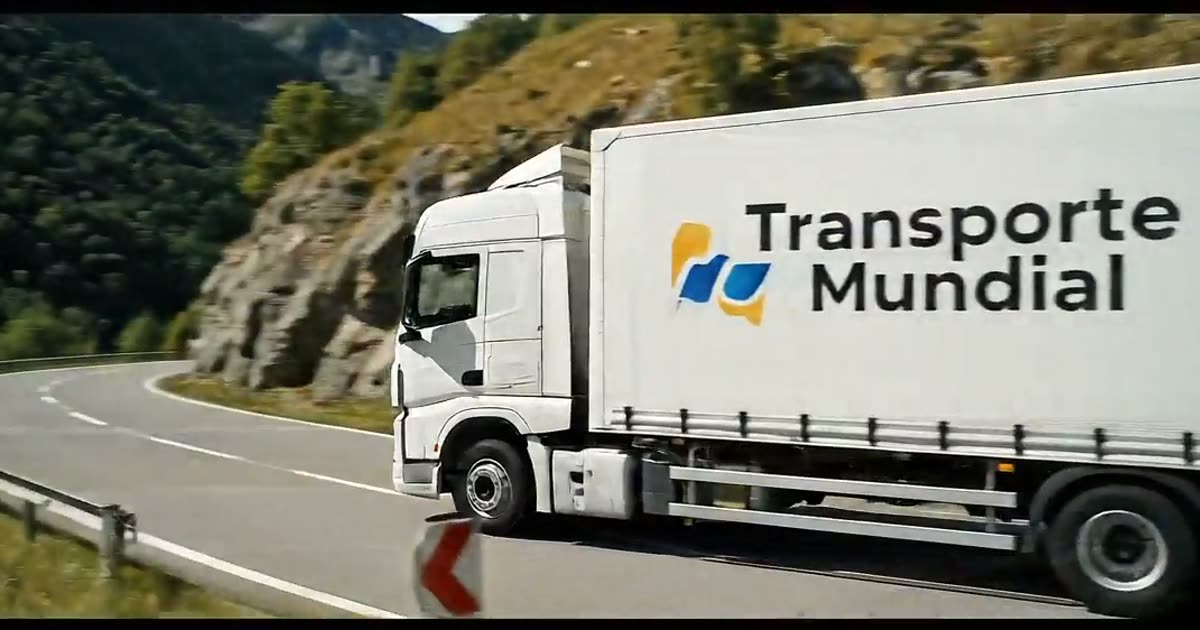
Higher tolls, diesel queues, a holiday ban on heavy trucks and better-connected ports: what is happening with freight in Venezuela and how to plan your shipments.
October 2026 brought several pieces of news that directly affect anyone moving goods in Venezuela: toll costs went up, carriers report long waits to buy diesel, there was another heavy-truck ban for the October 12 holiday, and the country's ports gained shipping connections. This summary explains each one and what it means for planning your freight transport shipments.
Tolls: new rates for trucks
Higher rates have applied at national toll booths since early September. According to the amounts reported in the press, a light truck pays Bs. 3,000, a 2-axle truck Bs. 3,500 and a 3-axle truck Bs. 4,000. From there the rate rises by Bs. 500 per axle, up to Bs. 6,000 for units with 6 or more axles. For how tolls and fuel weigh on the final price, see how much it costs to ship freight from Valencia to Caracas.
Time adds to the cost. Industry representatives point out that there are three toll booths between Puerto Cabello and Caracas, and crossing them can mean up to an hour and a half of waiting at peak times. That is why they are asking for electronic payment and automated systems. This affects two of the busiest routes in the country: Valencia – Puerto Cabello and Valencia – Caracas.
Diesel: the sector's bottleneck
Heavy-truck drivers' main complaint is fuel. The Central Region Freight Chamber (Catracentro) and the national coordination of Consetransporte report:
- restrictions on diesel sales;
- stations that only accept foreign currency;
- waits that can last days;
- stations without restrooms, water, tire air, rest areas or pumps suited to heavy vehicles.
The industry is also asking for road repairs, safer highways, shorter delays at checkpoints and simpler paperwork. It also wants tax exemptions on inverters, solar panels and generators, so that companies can withstand an unstable power supply. Complaints are being gathered through Consetransporte's official platform to present to the Ministry of Transport.
At checkpoints, having your paperwork in order avoids further delays. Review our guide to the documents for transporting goods in Venezuela.
Heavy-truck ban for the October 12 holiday
The national traffic authority (INTT) banned vehicles of 3,500 kg or more from 1:00 a.m. on Sunday, October 11 until 1:00 a.m. on Tuesday, October 13, for the Day of Indigenous Resistance holiday. Trucks carrying food, drinking water, medicine and essential goods were exempt, as were emergency vehicles.
These bans recur on every long holiday weekend and in seasons such as Carnival, Easter and December. A non-essential shipment that falls on those dates has to go earlier or be rescheduled. For parcels and small loads that cannot wait, units under 3.5 tonnes, like those used for our express shipping, can keep running. If you are unsure which unit you need, read how to choose the right vehicle for heavy freight.
Ports and coastal shipping: more connections
At sea the news is positive. According to UNCTAD data, Venezuela's liner shipping connectivity index grew 91.4% year on year in the third quarter of 2026, the largest increase among the economies measured. Puerto Cabello remains the country's best-connected port. Some carriers diverted services to it after the June earthquake damaged La Guaira's container terminal.
Meanwhile, the state shipping line Venavega moved more than 200,000 tonnes of cargo between Venezuelan ports in 2026: food, urea, coke and iron ore. More containers arriving at Puerto Cabello translate into more demand for road transport from the port to the central region and the rest of the country, for example to Barquisimeto or Maracaibo.
What it means for your next shipment
- Plan with a buffer. Between fuel queues and toll lines, it pays to add time to the estimated transit, especially on long routes such as Valencia – San Cristóbal or Valencia – Puerto Ordaz.
- Check the calendar. Before setting a dispatch date, check whether it falls on a holiday with a heavy-truck ban.
- Ask for complete quotes. A clear quote should state whether tolls and fuel are included, and which unit will be used.
- Protect the cargo for long waits. If the truck will sit for hours, good packing makes the difference. Follow these tips to pack and label your cargo.
- Arrange the port pickup early. If you import through Puerto Cabello, book road transport before the vessel arrives, so you don't pay storage while looking for a truck. For recurring shipments, our business logistics service schedules the departures for you.
How TransporteMundial helps
We keep track of traffic restrictions and conditions on each route so your shipments run without surprises. We move cargo from Puerto Cabello and the central region to any state in the country, with GPS tracking and quotes that spell out what is included. Read our customer reviews and request your quote on the freight transport page, or call us at +58 414-423-2988.
Sources
Need transportation or logistics in Venezuela?
Request a quote